
Where to stay in Chile
| {[{item.Location}]} |
Local Recommendations
Explore the World like locals
Part of the My Guide Network
My Guide Chile is part of the global network of online travel guides powered by local experts
See all destinations

What's On in Chile
-
FEATURED
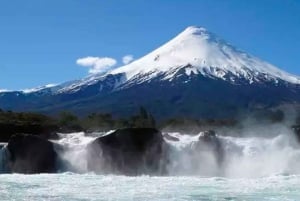
Thu 29th Jan Puerto Varas: Osorno Volcano Day Trip by Air-conditioned Van
Thu 29th Jan, 2026 Chile ChileDiscover the beauty of the Osorno volcano on this day trip from Puerto Varas. Admire sweeping views from the summit of the Calbuco volcano, Llanquihue lake, and the Pacific Ocean.
-
FEATURED
Thu 29th Jan Santiago: Concha y Toro and Undurraga Vineyards Tour
Thu 29th Jan, 2026 Chile ChileThis wine tour in the Maipo Valley will visit 2 wineries, Concha y Toro and Viña Undurraga.
-
FEATURED
Wed 28th Jan Santiago: Cousiño Macul Official Winery Tour with Tasting
Wed 28th Jan, 2026 Chile ChileVisit Cousiño Macul, a winery with 150+ years of wine-making tradition, and tour the vines, the cellars and the museum before finishing with an incredible wine tasting.
-
FEATURED

Thu 29th Jan Calama Airport: Transfer to/from San Pedro de Atacama
Thu 29th Jan, 2026 Chile ChileTake the worry out of your arrival or departure from Calama Airport (CJC) and pre-book a shared or private transfer service between your accommodation in San Pedro de Atacama and the airport, or vice versa.
-
FEATURED
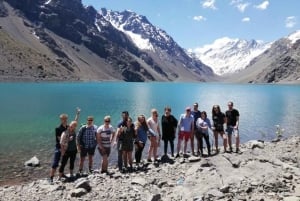
Wed 28th Jan Santiago: Inca Lagoon and Vineyard Visit with Wine Tasting
Wed 28th Jan, 2026 Chile ChileImmerse yourself in the mountainous splendor of the Andes on an exhilarating full-day excursion to San Esteban Vineyard from Santiago.
-
FEATURED
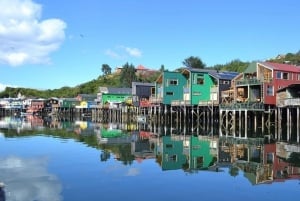
Wed 28th Jan From Puerto Varas: Chiloe Island Full-day Tour
Wed 28th Jan, 2026 Chile ChileDrive along the highway and take a ferry to Chiloe Island. Admire the famous waterside houses on stilts. Visit the towns of Chacao, Castro, and Dalcahue on the island.
-
FEATURED
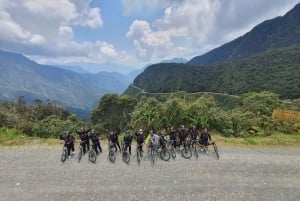
Wed 28th Jan From La Paz: 5-Day Death Road & Uyuni Salt Flats Bike Tour
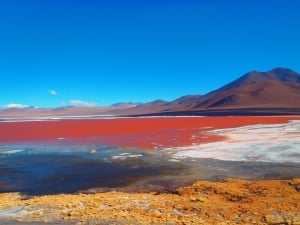
Wed 28th Jan, 2026 Chile ChileEnjoy this unique tour of Death Road by bike, leaving La Paz City. Visit the Uyuni Salt Flats, Eduardo Avaroa National Reserve, and the Red Lagoon Flamingoes while exploring on this 5-day trip.
-
FEATURED
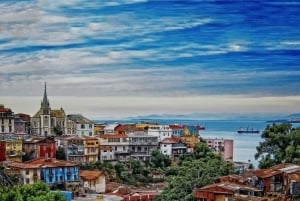
Wed 28th Jan From Santiago: Highlights of Valparaiso and Viña del Mar
Wed 28th Jan, 2026 Chile ChileDiscover the charm of Chile's Pacific Coast on this day tour from Santiago. Visit Viña del Mar, famous for its stunning beaches and lush gardens, and explore Valparaíso, a UNESCO World Heritage site.
-
FEATURED
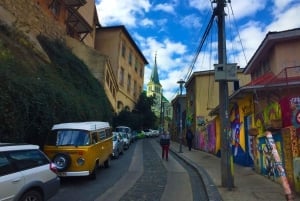
Wed 28th Jan Santiago: Valparaiso, Viña del Mar, & Casablanca Valley Tour
Wed 28th Jan, 2026 Chile ChileNo trip to Santiago is complete without seeing the colorful confection of Valparaiso and Viña del Mar. Let your guide organize transport and activities on a hassle-free excursion.
Book Experiences in Chile
-
FEATURED
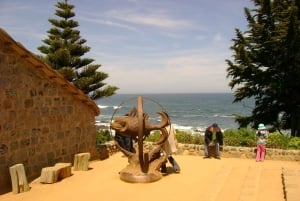 Best Seller
Santiago: Private Pomaire, Isla Negra, and Pablo Neruda Tour
3 ReviewsExplore Isla Negra, the Pablo Neruda Museum, and Pomaire's clay craftwork on a private guided tour from Santiago.
-
FEATURED
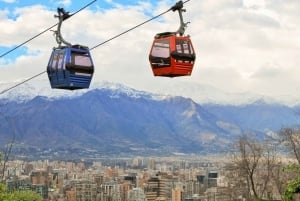 Best Seller
Santiago: 1-Day Hop-On Hop-Off Bus and Cable Car Ticket
291 ReviewsExplore Santiago on Hop-On Hop-Off, enjoying scenic trips on the Teleférico and Funicular, shopping at major malls, and visiting historic sites at your own pace.
-
FEATURED
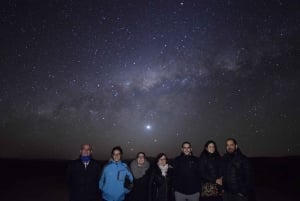 Best Seller
San Pedro de Atacama: Etno-Stargazing Tour with Transfer
575 ReviewsEnjoy the darkest sky in the world in the heart of the Atacama Desert with an astronomer. Observe stars, nebulas, galaxies, and Greek constellations and enjoy a glass of wine next to a beautiful sky.
-
FEATURED
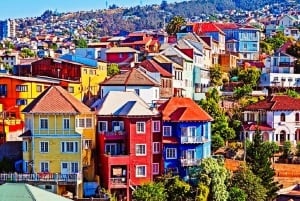 Best Seller
Vina Del Mar, Valparaiso, Casablanca, Reñaca, Oceanic Rock
3355 ReviewsHead to the Pacific Coast on this day tour from Santiago. Visit colorful Valparaiso and the resort of Vina del Mar. Visit the white wine valley of Casablanca and enjoy the popular beach in Reñaca.
-
FEATURED
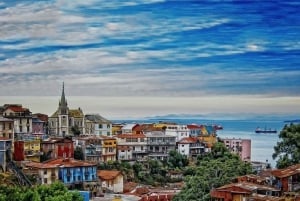 Best Seller
From Santiago: Highlights of Valparaiso and Viña del Mar
314 ReviewsDiscover the charm of Chile's Pacific Coast on this day tour from Santiago. Visit Viña del Mar, famous for its stunning beaches and lush gardens, and explore Valparaíso, a UNESCO World Heritage site.
-
FEATURED
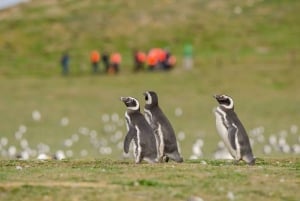 Best Seller
Punta Arenas: Walk with Penguins on Magdalena & Marta Island
466 ReviewsSail through the Strait of Magellan to Magdalena and Marta Islands and observe abundant marine life. Marvel at the Magellanic penguins on Magdalena Island.
-
FEATURED
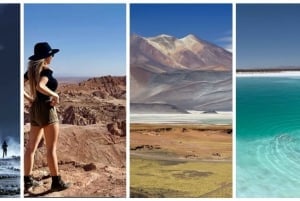 Best Seller
San Pedro de Atacama: 3-Day Activity Combo with 4 Tours
291 ReviewsDiscover Atacama in 3 unforgettable days! Explore 4 epic tours: Valle de la Luna, the morning spectacle of Tatio Geysers, Altiplanic Lagoons, and the Baltinache. Some entrance fees are included
-
FEATURED
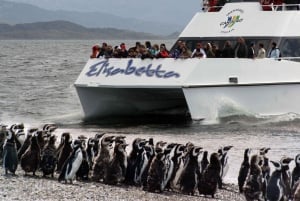 Best Seller
Ushuaia: Penguin Watching Tour by Catamaran
401 ReviewsNavigate the Beagle Channel and visit Sea Lion Island, Bird Island, and Les Eclaireurs Lighthouse. Observe a colony of penguins on Martillo Island (Penguin Island).
-
FEATURED
 Best Seller
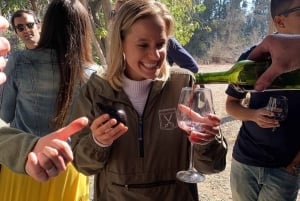
Santiago: Maipo Valley Wine Tasting Tour with 4 Vineyards
358 ReviewsExplore Isla de Maipo, the most famous wine-producing region of Chile, on this tour from Santiago. Taste excellent wines, cheese, and pisco while enjoying amazing landscapes.
Mini Guides
-

The Best Restaurant in Santiago de Chile
Handpicked by a Local Expert
-
Places to see in Patagonia, Chile
Handpicked by a Local Expert
-
Best restaurants with kids menu in Santiago de Chile
Handpicked by a Local Expert
-
Museums and parks in Santiago de Chile
Handpicked by a Local Expert
-
What to do in Santiago
Handpicked by a Local Expert
-
Things to do in Chile
Handpicked by a Local Expert
-
Best Places for Brunch in Santiago
Handpicked by a Local Expert
-
The Best Wine Stores in Santiago
Handpicked by a Local Expert
-
Top Cocktail Bars in Santiago de Chile
Handpicked by a Local Expert
-
What to do in National Holidays in Chile
Handpicked by a Local Expert
-
Best Wine Bars in Santiago de Chile
Handpicked by a Local Expert
-
National Parks in Chile
Handpicked by a Local Expert
-
Experience - A day of shopping and fun in Santiago
Handpicked by a Local Expert
-
Vineyards near Santiago
Handpicked by a Local Expert
-
Pet Friendly Hotels in Santiago
Handpicked by a Local Expert
-
Valentines Day in Santiago de Chile
Handpicked by a Local Expert
-
Where to stay when travelling though Chile
Handpicked by a Local Expert
-
Best Tours and Things to do in Puerto Montt and Puerto Varas
Handpicked by a Local Expert
-
Best places to stay in San Pedro De Atacama
Handpicked by a Local Expert
-
Best wineries in Casa Blanca valley in Chile
Handpicked by a Local Expert
-
Things to see and do in San Pedro de Atacama
Handpicked by a Local Expert
-
The Best Negroni in Santiago
Handpicked by a Local Expert
-
The Best Hotels in Santiago
Handpicked by a Local Expert
-
Best restaurants in San Pedro de Atacama
Handpicked by a Local Expert
-
The Best Restaurants in Vitacura
Handpicked by a Local Expert
-
Things to do and visit in Casa Blanca
Handpicked by a Local Expert
-
Things to do in Sector Oriente of Santiago de Chile
Handpicked by a Local Expert
-
Hotels Boutique in Colchagua
Handpicked by a Local Expert
-
What to do in Puerto Varas
Handpicked by a Local Expert
-
Best Theater Halls in Santiago
Handpicked by a Local Expert
-
Things to do in Los Lagos Region
Handpicked by a Local Expert
-
What to do in Valparaiso
Handpicked by a Local Expert
-
The Best Restaurants in Santiago de Chile
Handpicked by a Local Expert
-
Things to do and see in Colchagua Valley
Handpicked by a Local Expert
-
Nightlife in Santiago de Chile
Handpicked by a Local Expert
-
Best Pisco Sour In Santiago de Chile
Handpicked by a Local Expert
-
What to do in Algarrobo
Handpicked by a Local Expert
-
Best executive menus in Santiago
Handpicked by a Local Expert
-
Things to do in Valparaiso and Vina del Mar
Handpicked by a Local Expert
-
Things to do and visit in Isla de Pascua
Handpicked by a Local Expert
-
Things to do and what to visit in Iquique
Handpicked by a Local Expert
-
The Best and Most Unique Hotels Boutiques in Chile
Handpicked by a Local Expert
-
Things to do and visit in Pirque
Handpicked by a Local Expert
-
Best bars with lively atmosphere in Santiago de Chile
Handpicked by a Local Expert
-
Typical Restaurants with Chilean Gastronomy
Handpicked by a Local Expert
-
Best Luxury Hotels in Santiago de Chile
Handpicked by a Local Expert
-
Things to do in San Pedro de Atacama
Handpicked by a Local Expert
-
The best luxury hotels in Chile
Handpicked by a Local Expert
-
What to do in Lastarria Neighborhood
Handpicked by a Local Expert
-
The Best Restaurants with Outdoor Terrace
Handpicked by a Local Expert



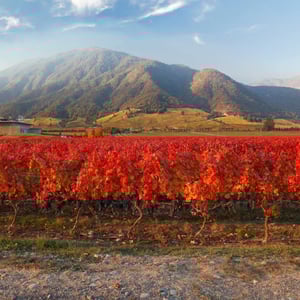
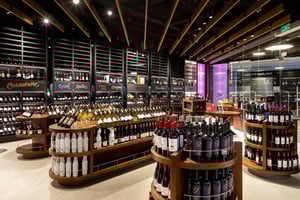
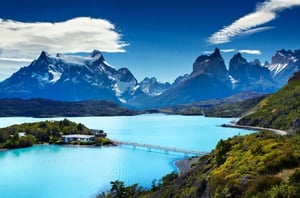
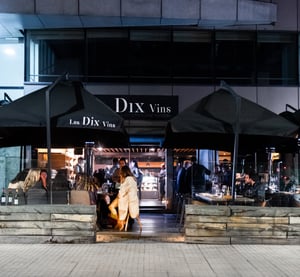
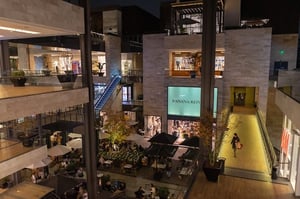
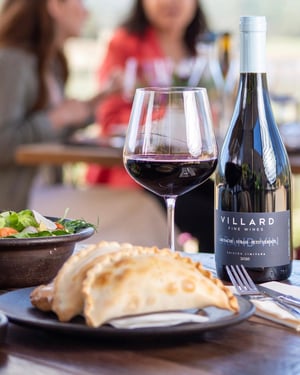
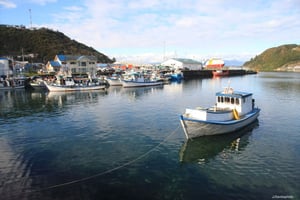
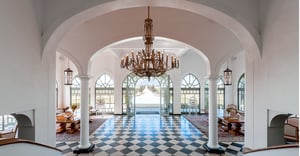
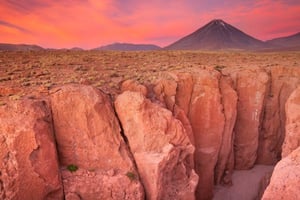
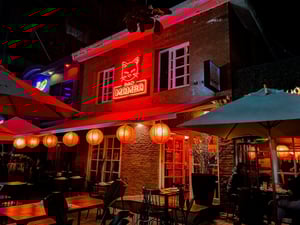
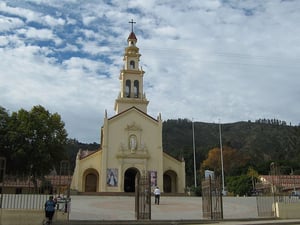
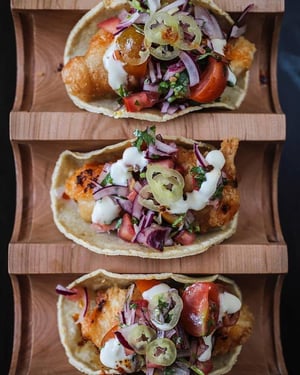
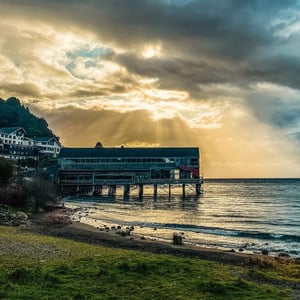

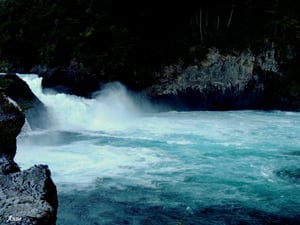
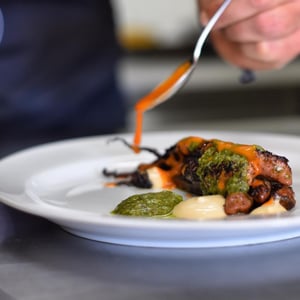
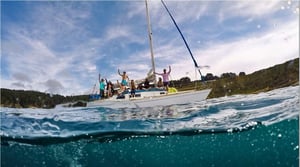
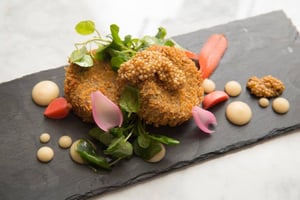
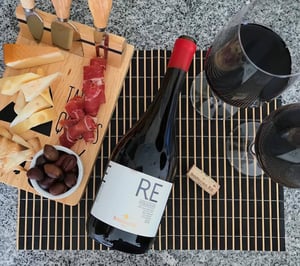
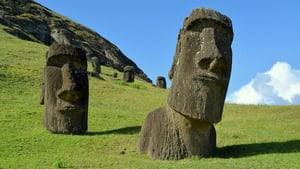
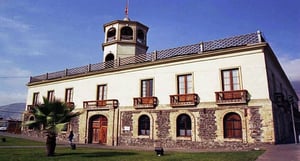
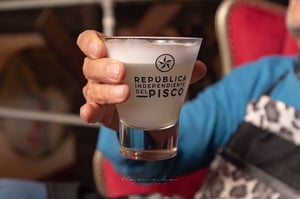
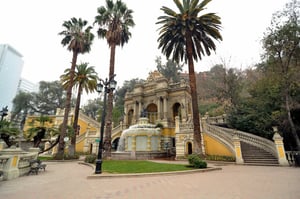

Regional Guides
-
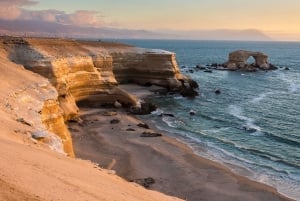
Antofagasta
Region of Antofagasta occupies a latitudinal range that goes from 20º56 'to 26º05' south latitude, and longitudinally, from 67º00 'west longitude to the Pacific Ocean. Its surface is 126,049.1 km². This region borders on the west with the Pacific Ocean:
-
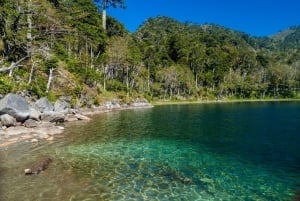
Araucania
Located about 700 kilometers south of Santiago de Chile, La Araucanía has fluid connectivity by land and air. Also, it marks the point where the intense green of southern Chile is born and the territory is watched by the imposing presence of volcanoes that draw the profile of the Andes Mountains, covering forests, lakes and rivers.
-
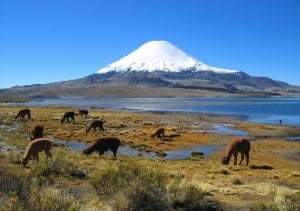
Arica y Parinacota
Millenary culture, colors, music and beautiful beaches The north gateway to our beautiful country. It welcomes you with the driest desert in the world, mixing beaches with a daring high plateau.
-
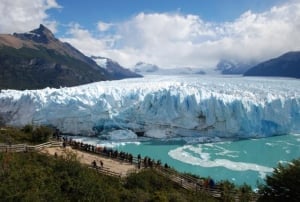
Aysen del General Carlos Ibanez del Campo
The Aysén Region of General Carlos Ibáñez del Campo, is located in the Chilean Patagonia, between 43º38 'in the north and 49º16' in the south, and from 71 ° 06 'west to the territorial waters of the Pacific Ocean,
-
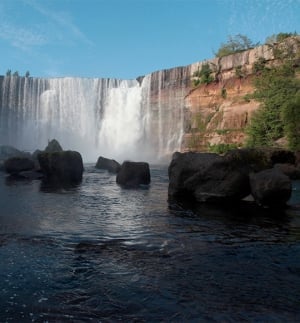
Concepcion
The capital of the Eighth Region (Región del Bio Bio) and second largest city of Chile, also called theCapital of Southern Chile, is attracting more and more visitors every year. That´s the result of great efforts as, together with the modern infrastructure,
-
Coquimbo
Enjoy the magic of the desert climate of the north zone and the proximity of the fertile lands of the central zone, where grapes are grown to produce good wines and piscos, all around La Serena and Coquimbo. If you come in spring and summer,
-
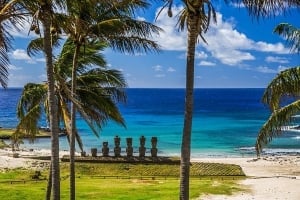
Easter Island
Indigenous plants and animals are few. At the time of European arrival the toromiro tree, endemic to the island, was the only wild tree and the Carolina wolfberry the only wild shrub, the vegetation being predominantly herbaceous. The toromiro tree was overexploited by the island wood carvers, and the last local specimen died in the 1950s.
-
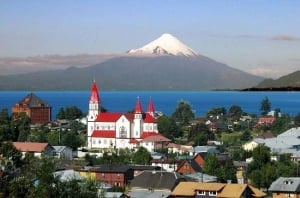
Los Lagos
The Region of Los Lagos invites you to discover beautiful landscapes, with beautiful destinations full of magic and charm. Myths and legends are daily bread, and the gastronomic traditions will make your mouth water.
-
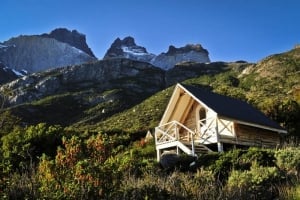
Los Rios
Young and beautiful region, it is characterized by its volcanoes, rivers, lakes, agricultural landscapes and evergreen forests. Located in the area of lakes and volcanoes, Los Ríos enchants all
-
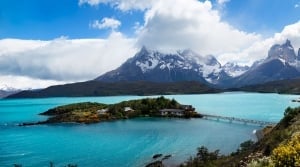
Magallanes and Antartica Chilena
Owner of an important climatic variation, in a same day it can deliver rain, sun, cold and gusts of wind of up to 100 km / hr. which delivers different and beautiful landscapes throughout the year
-
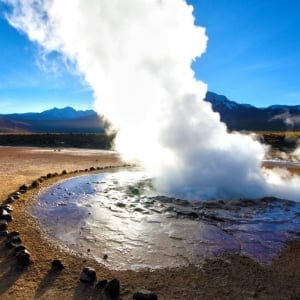
Maule
The region has the provinces of Talca, Curico, Linares and Cauquenes and its regional capital is Talca. Region of agricultural vocation, noted for its beet and rice crops, as well as the fruit industry. Of this, the vitivinicultural activity is one of the most relevant, since it contains 40% of the area planted with vineyards and vineyards in the country. The birthplace of Pablo Neruda also stands out for its silvicultural activity, with exploitation of forests and pulp industry.
-
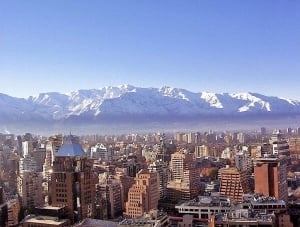
Metropolitan of Santiago
Region escorted by the impressive mountain range of the Andes and immersed between great hills that form the great valley of Santiago, the Metropolitan Region gathers a wide tourist offer and keeps corners that wait to be explored.
-
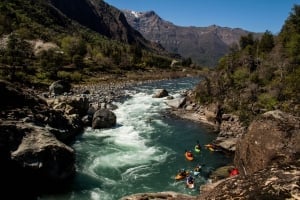
Nuble
Visit the Valley of Las Trancas all year long and enjoy the hot springs and adventure sports such as Canopy, Ski and Snowboard
-
O'higgins
O’Higgins, in full Libertador General Bernardo O’Higgins, región, central Chile, bordered by Argentina to the east and facing the Pacific Ocean on the west. Since 1974 it has comprised the provinces of Cachapoal,
-
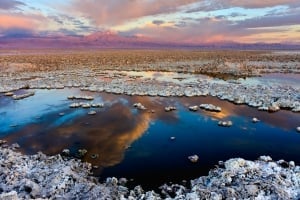
San Pedro de Atacama
San Pedro de Atacama, an oasis in the middle of the desert, is a perfect place to listen to the sound of silence. From its land underground waters sprout that together with the lagoons inserted in the altiplano give you breathtaking landscapes that you
-
Tarapaca
The Tarapacá Region falls between 18 ° 56 'and 21 ° 36' of South Latitude and from 68 ° 24 'of West Longitude to the Pacific Ocean. Its general limits are; to the North the XV Region of Arica and Parinacota; This with Bolivia; South, the II Region of
-

Valparaiso
With an area of 2,780 km² and a population of 876,022 inhabitants, the Province of Valparaíso is the most populated in the Region and with the largest number of Communes. Created on October 27, 1842, with only 3 departments (Valparaíso, Casablanca and Quillota)
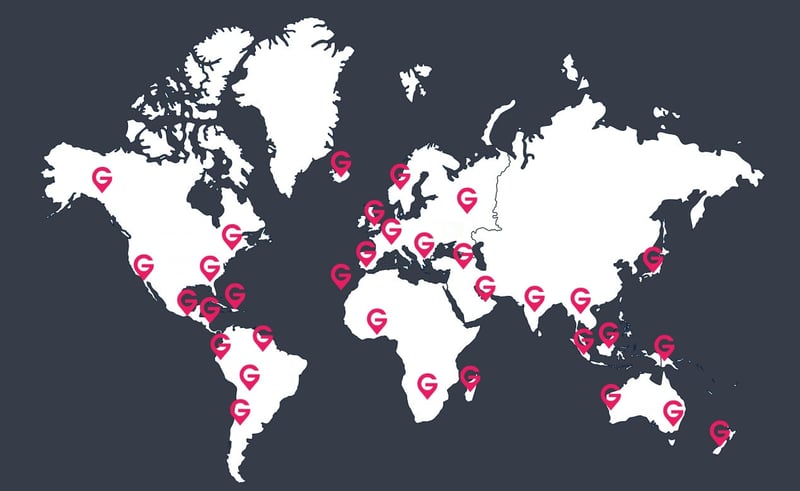
We Are Part of the My Guide Network!
My Guide Chile is part of the global My Guide Network of Online & Mobile travel guides.
We are now in 180+ Destinations and Growing. If you are interested in becoming a local travel partner and would like to find out more then click for more info about our Website Business Opportunity.
Nearby Destinations

Create New Guide
Filter Events by Sub-Category
Please select a Date first.
Search for a company in Chile